
What is Fueling Performance?
Fueling Performance is a fleet fuel management platform designed to lower fuel cost per mile.
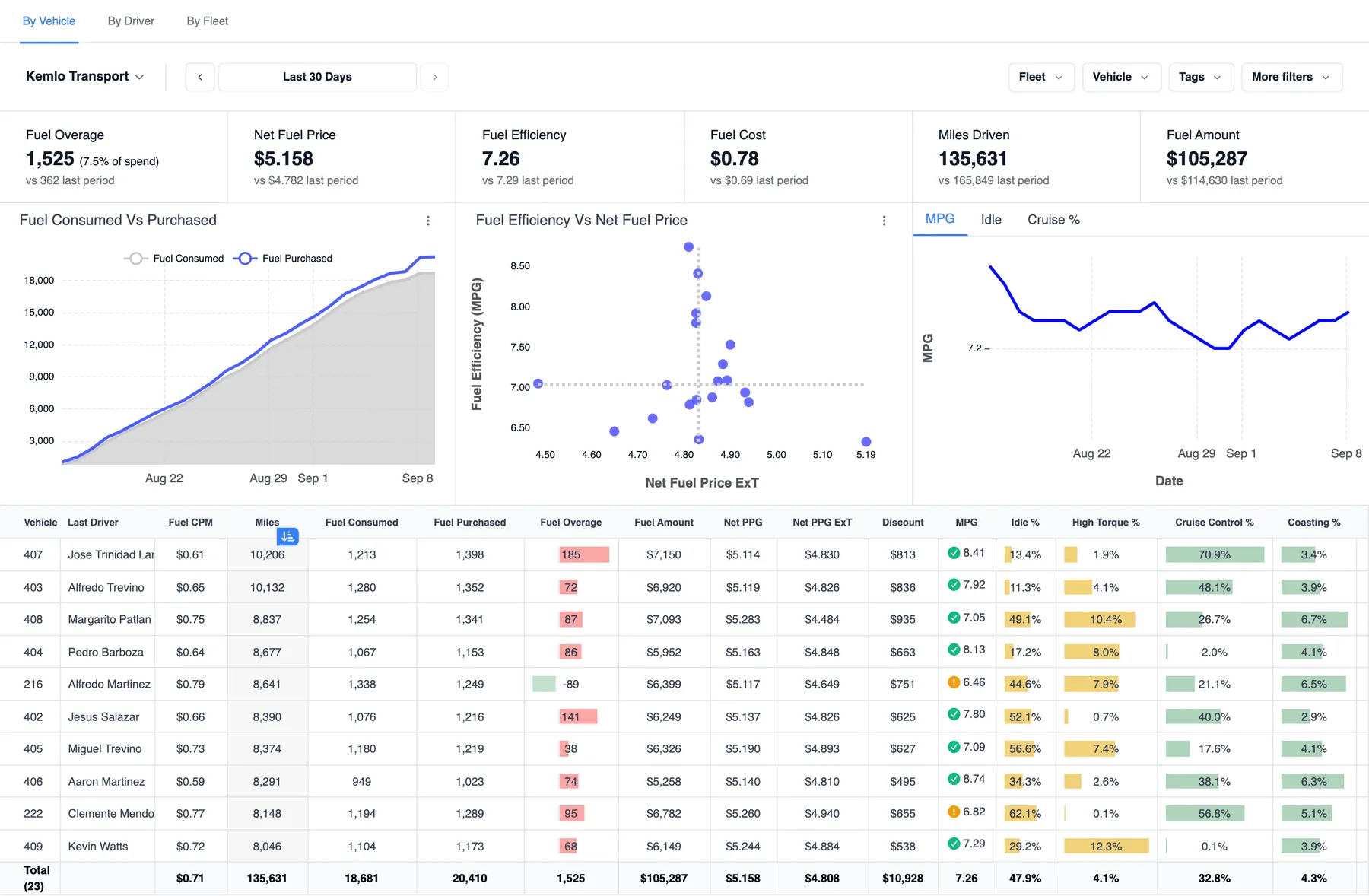
It helps fleets optimize where and when they purchase fuel, monitor every gallon purchased and consumed, and improve fuel efficiency through driver performance insights and engagement.
Fueling Performance brings fuel purchasing, telematics data, fuel consumption, and driver performance together to give fleets greater visibility and control over the complete lifecycle of fuel.
What does Fueling Performance do?
Fueling Performance helps fleets reduce fuel cost per mile through three integrated areas:
Optimize Fuel Purchases
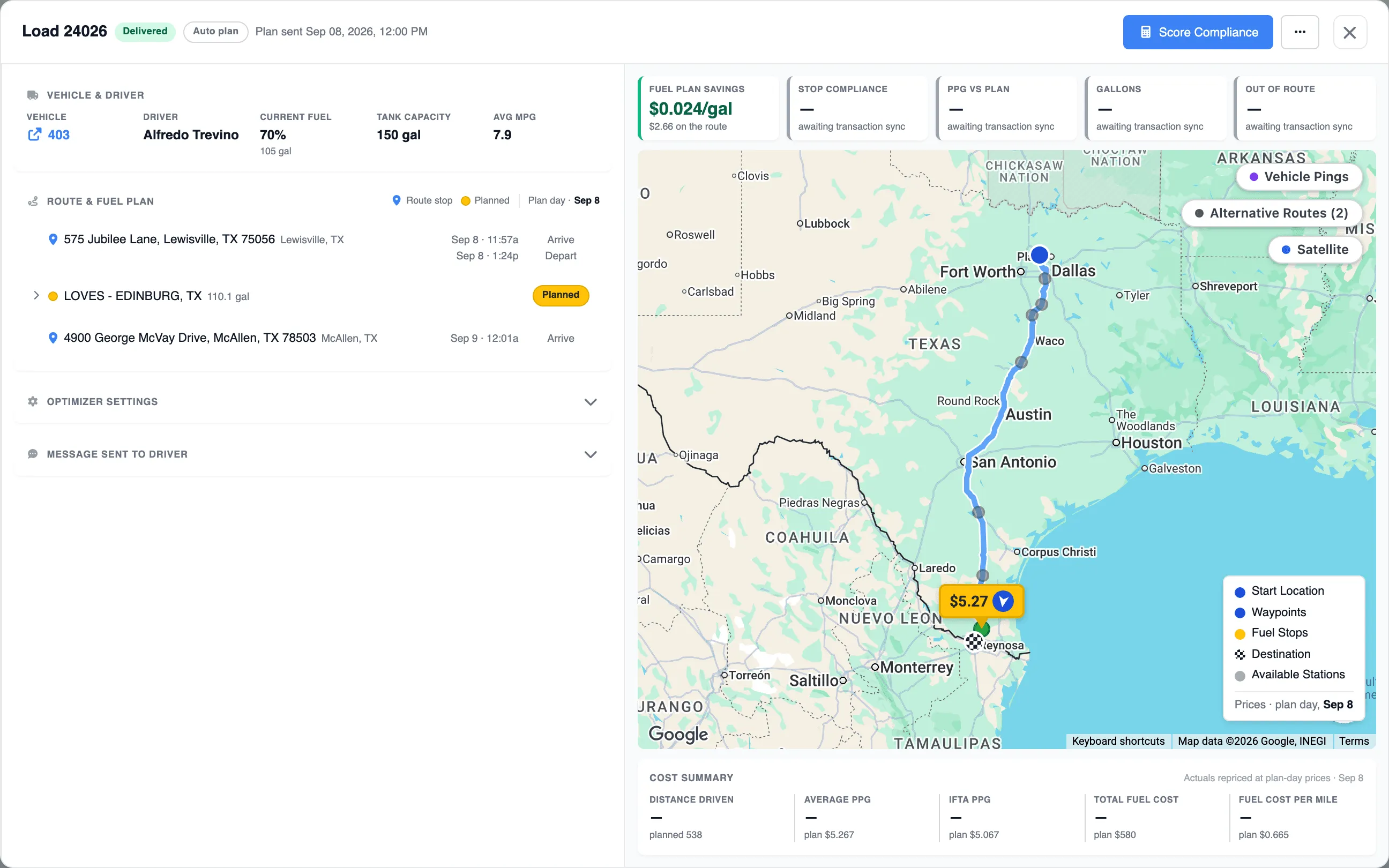
Fueling Performance helps fleets determine where and when to buy fuel. The Fuel Optimizer uses route data, negotiated fuel pricing, and fuel price trends to identify optimal fuel stops along each route. It can also help fleets make buy-today versus buy-tomorrow decisions based on expected price movements. Drivers receive fueling guidance directly, helping reduce guesswork while maintaining driver autonomy.
Monitor Every Gallon
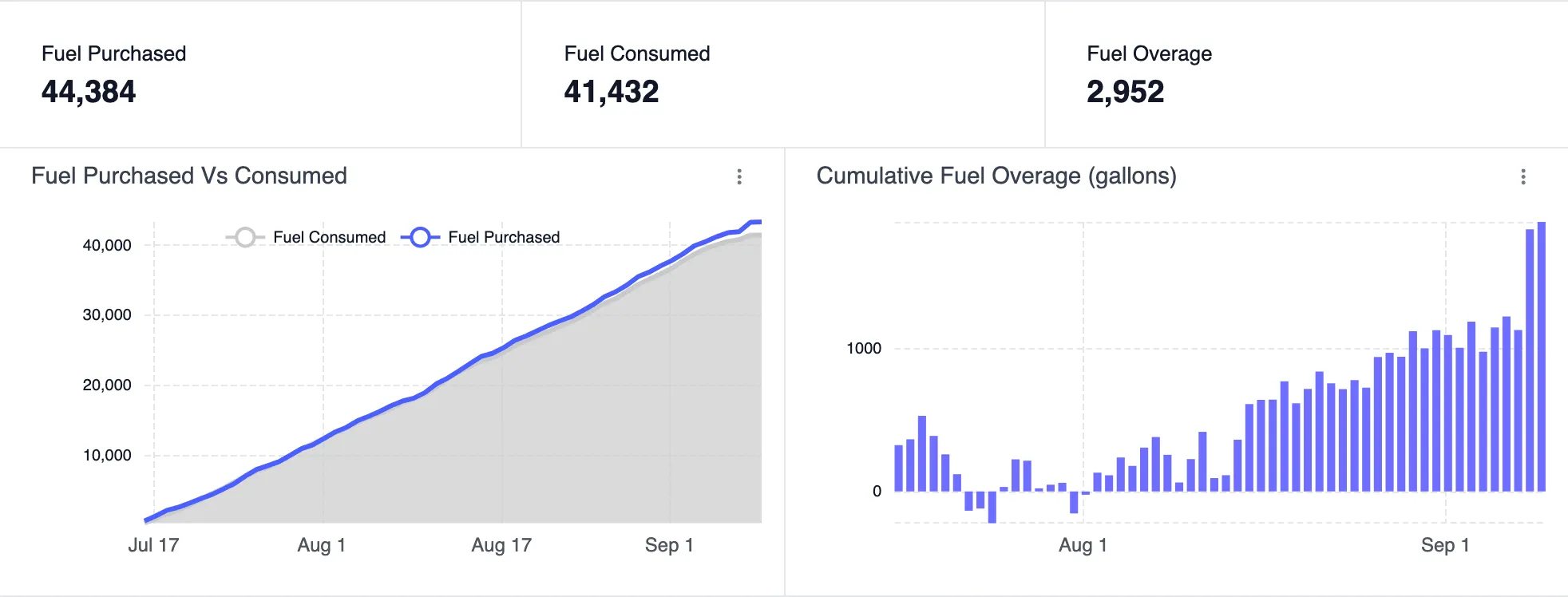
Fueling Performance connects fuel transactions with telematics and vehicle data to help fleets verify fuel purchases and identify potential fuel loss or fraud. The platform can:
- Verify vehicle location at the time of purchase
- Compare gallons purchased with changes in tank level
- Compare fuel purchased with fuel consumed
- Identify suspicious transactions and recurring fuel overages
This gives fleets greater visibility into where their fuel is going and helps identify losses that might otherwise go unnoticed.
Improve Fuel Efficiency
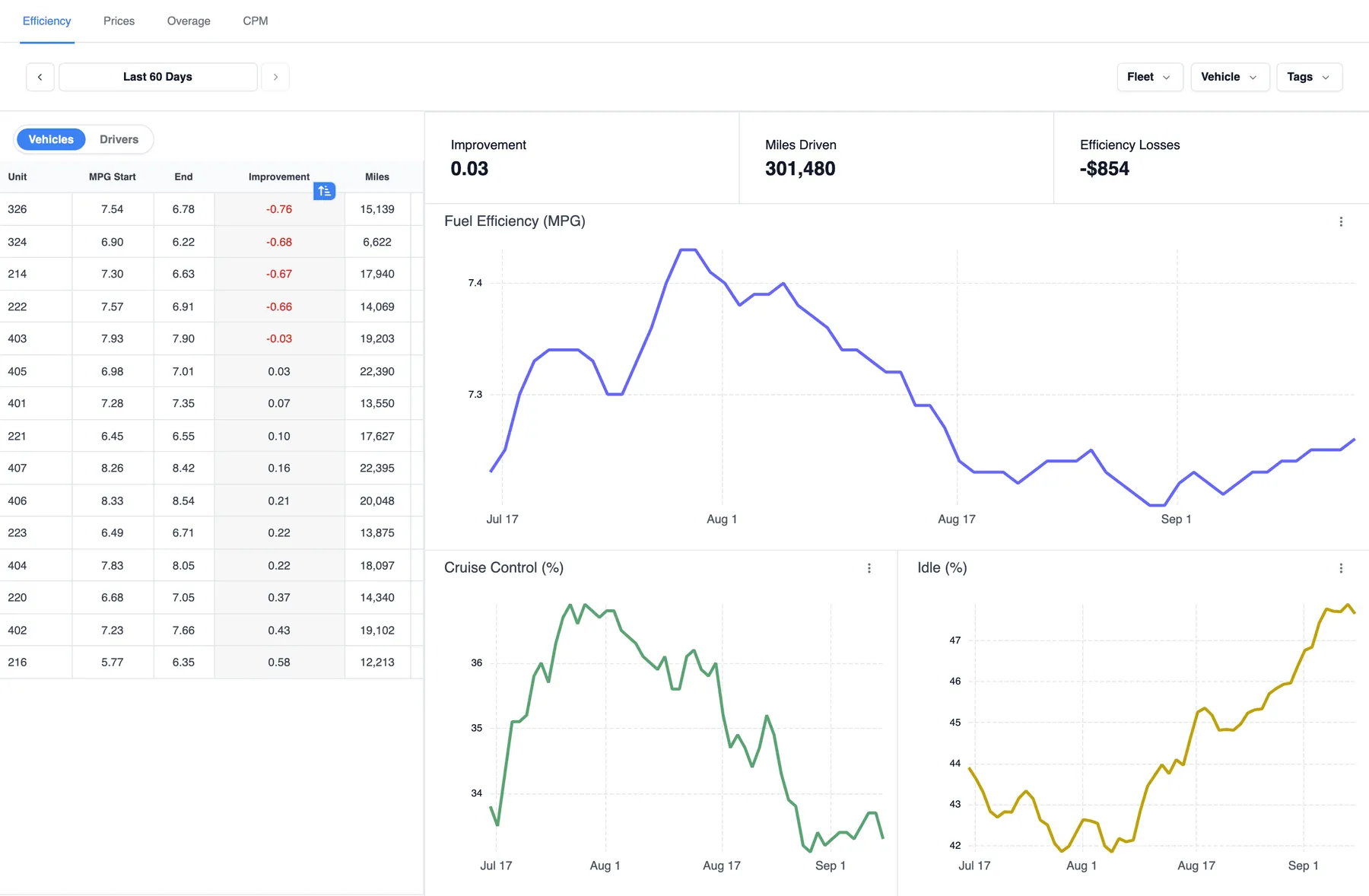
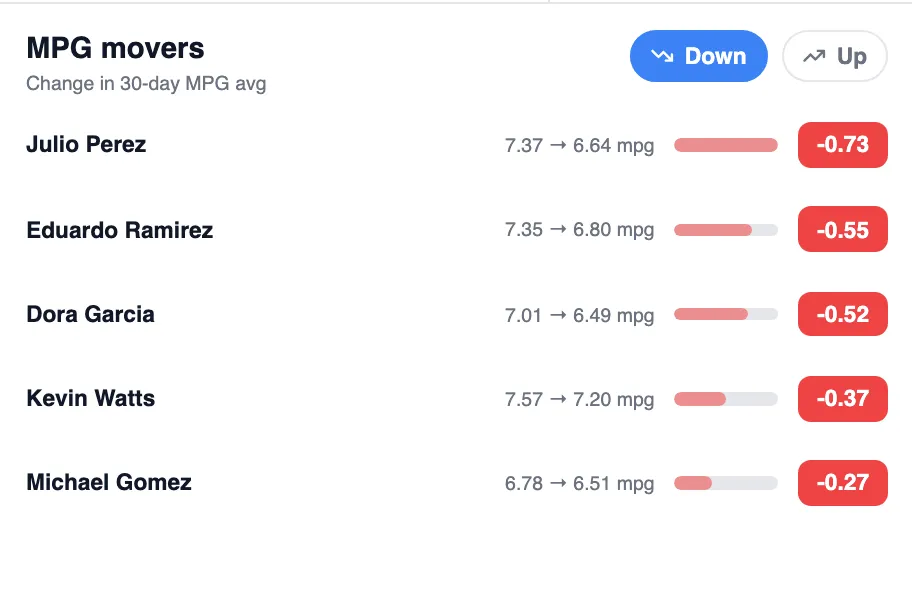
Fueling Performance helps fleets understand the factors affecting vehicle and driver fuel efficiency. The platform monitors performance trends across metrics including: MPG, idle time, cruise control, high torque, coasting and speed.
Real-time trend analysis helps fleet teams understand what is happening, why it is happening, and where there are opportunities to improve. Driver engagement and coaching can then turn those insights into actionable feedback designed to improve driving habits and fuel performance.
How does Fueling Performance lower fuel cost per mile?
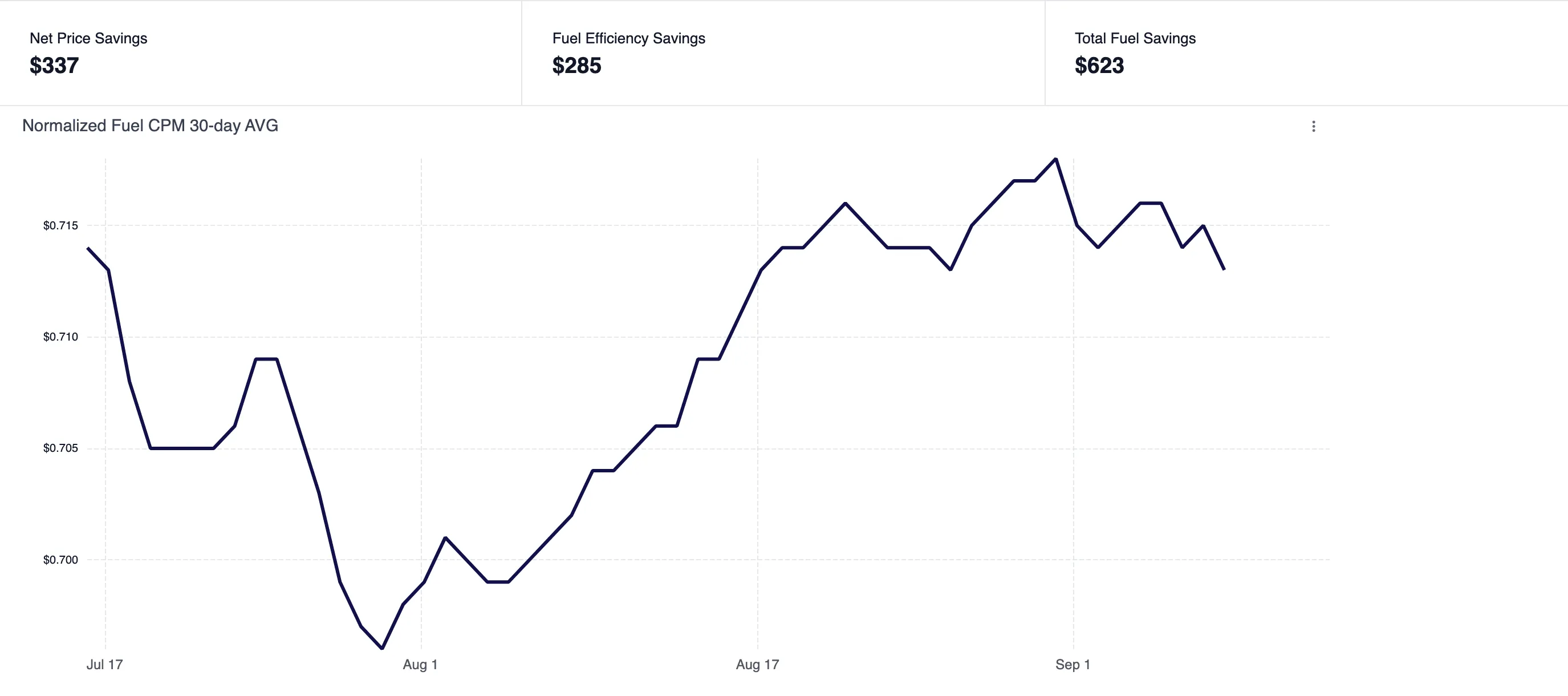
Fuel cost per mile is affected by both the price paid for fuel and the amount of fuel consumed. Fueling Performance addresses both.
The price paid
Reduce fuel costs by optimizing net fuel price, improving fuel planning, and identifying fuel theft or fraud.
The fuel consumed
Reduce fuel consumption by identifying declining vehicle efficiency and improving driver behaviors such as idle, cruise control, and coasting.
A few cents of improvement can translate into significant annual savings for a large fleet.
How does Fueling Performance work?
Fueling Performance works across the complete lifecycle of fuel:
- When to buyPrice trends and next-day price alerts
- Where to buyRoute-aware fuel plans at your negotiated prices
- FuelingGuidance delivered straight to the driver
- ConsumptionGallons purchased against gallons consumed
- PaymentsFuel-card transactions and net fuel price
Fuel performance analytics and smart card solutions connect these stages, helping fleets make better decisions from fuel planning through consumption.
The data comes from the systems a fleet already runs: telematics and ELDs for live tank levels and GPS, fuel cards for transactions and negotiated pricing, pricing networks for daily station prices, and the TMS for dispatch routes. See every integration and the API.
How does Fueling Performance help detect fuel theft?
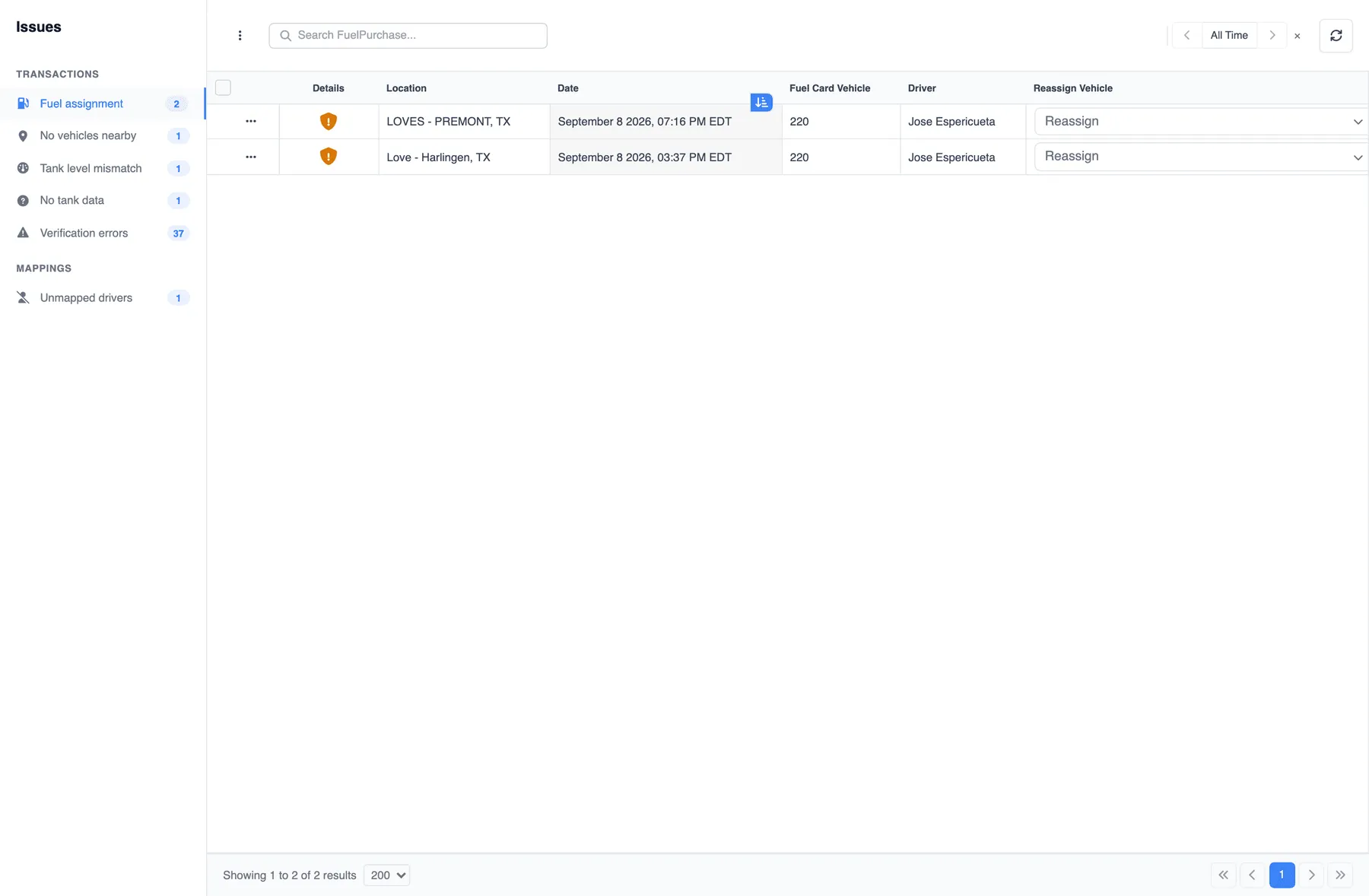
Fueling Performance compares fuel card transactions with vehicle location, tank levels, fuel consumption, and telematics data. Instead of looking at a fuel transaction in isolation, fleets can verify whether the vehicle was at the fueling location, whether the tank level increased, and whether the fuel purchased was ultimately consumed. This helps identify suspicious transactions, fuel overages, and potential fuel loss.
How does Fueling Performance improve driver fuel efficiency?
Fueling Performance analyzes driver efficiency metrics and turns performance data into actionable feedback. Fleets can monitor metrics including MPG, idle, cruise control, high torque, coasting, and speed. Driver coaching and engagement campaigns can then be configured around specific performance goals. Messages can be delivered through an ELD app or SMS and can include performance reviews, progress checks, targeted metric coaching, rankings, and other feedback.
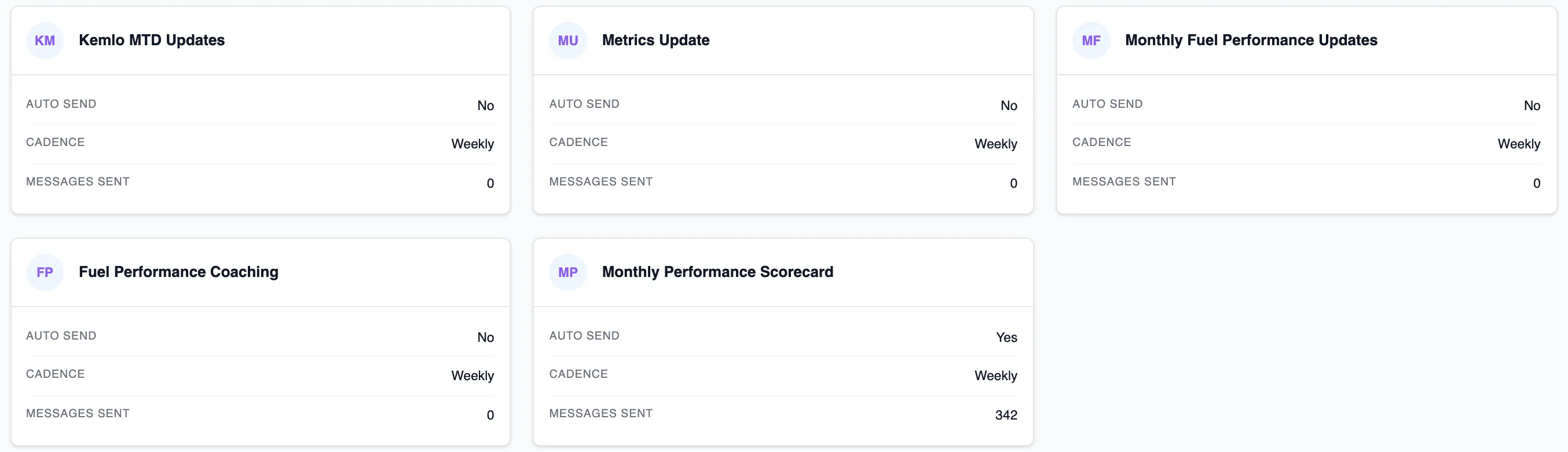
Today the Driver Coach agent drafts the note for you, one specific, askable message at a time, delivered to the driver's phone over Telegram or SMS, or to the ELD app. Meet the agents or see driver coaching in detail.
3 Integrated Levers That Drive Measurable Fuel Savings
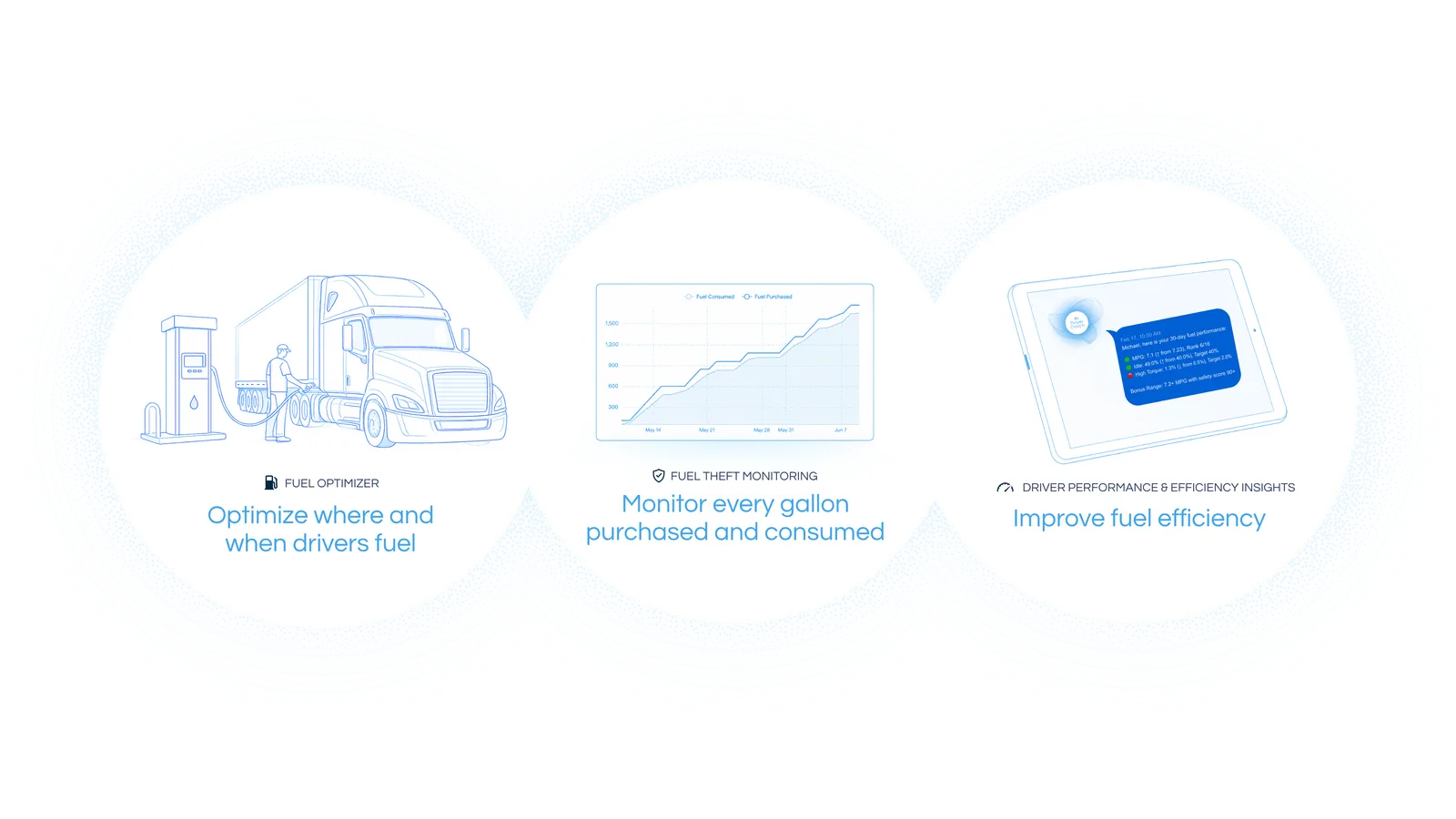
Fuel Optimizer
Optimize where and when drivers fuel
Learn MoreFuel Theft Monitoring
Monitor every gallon purchased and consumed
Learn MoreDriver Performance & Efficiency Insights
Improve fuel efficiency
Learn More
What can fleets monitor with Fueling Performance?
Fueling Performance gives fleets visibility into fuel purchasing, consumption, cost, and driver efficiency. Depending on the fleet's data and integrations, teams can monitor metrics such as:
- Fuel spend
- Fuel cost per mile
- Net fuel price
- MPG
- Fuel purchased
- Fuel consumed
- Fuel overage
- Idle
- Cruise control
- High torque
- Coasting
- Driver and vehicle performance
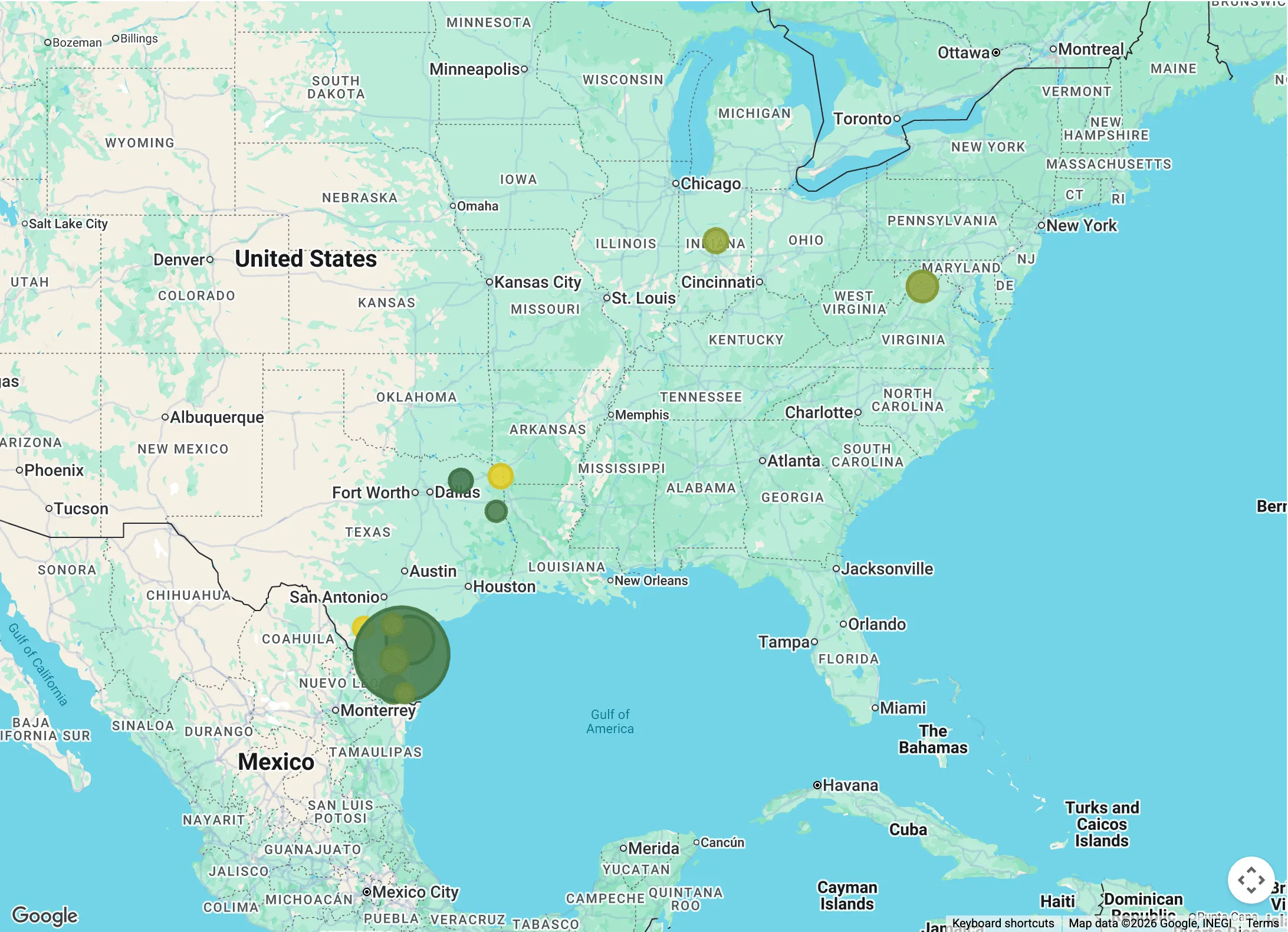
The Control Center can break performance down by driver, vehicle or terminal and compare results across terminals, regions or divisions.
Who is Fueling Performance for?
Fueling Performance is designed for fleets that want greater control over fuel costs, fuel consumption, and driver efficiency. It gives fleet managers and operations teams a single platform to identify opportunities, understand performance trends, and take action to lower fuel cost per mile.
What is the goal of Fueling Performance?
Lower Fuel Cost per Mile.
Fueling Performance combines fuel purchase optimization, fuel monitoring, and driver efficiency into one platform designed to turn fuel data into measurable savings.